Living Lab and demonstration activity carried out by IUAS
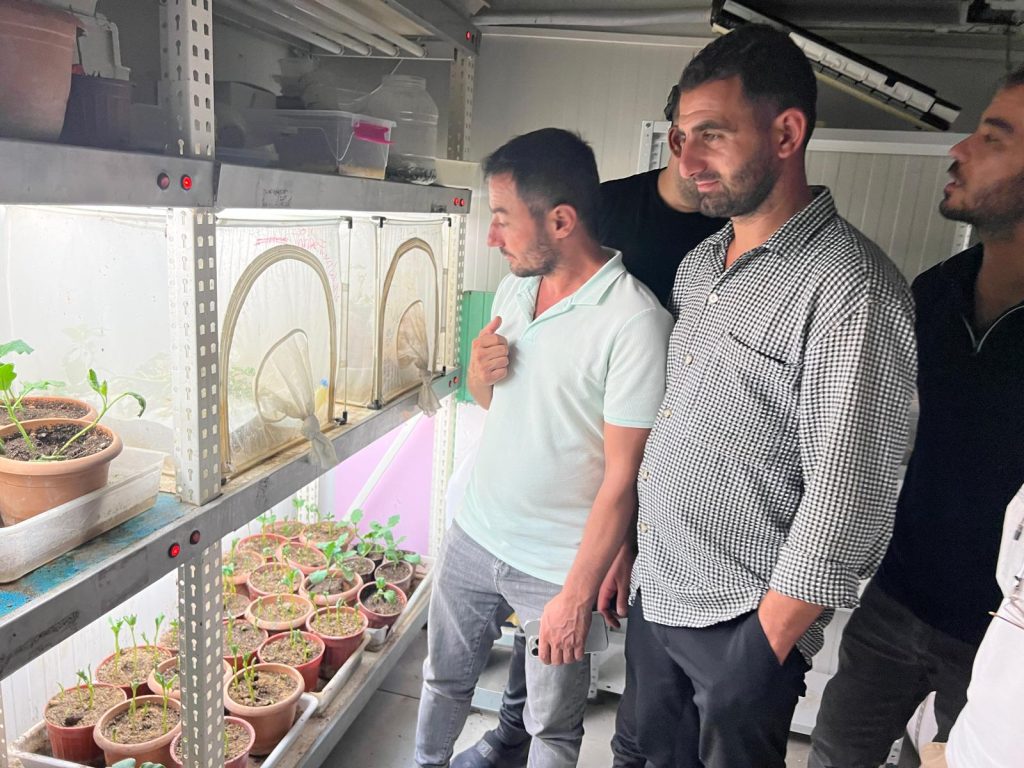
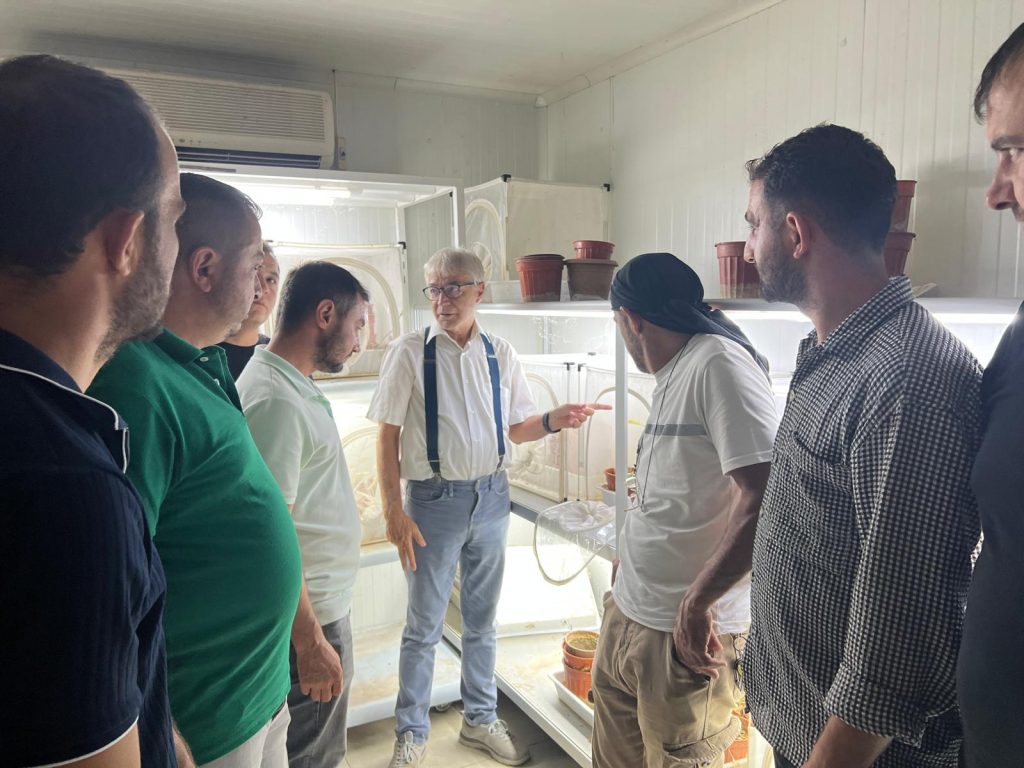
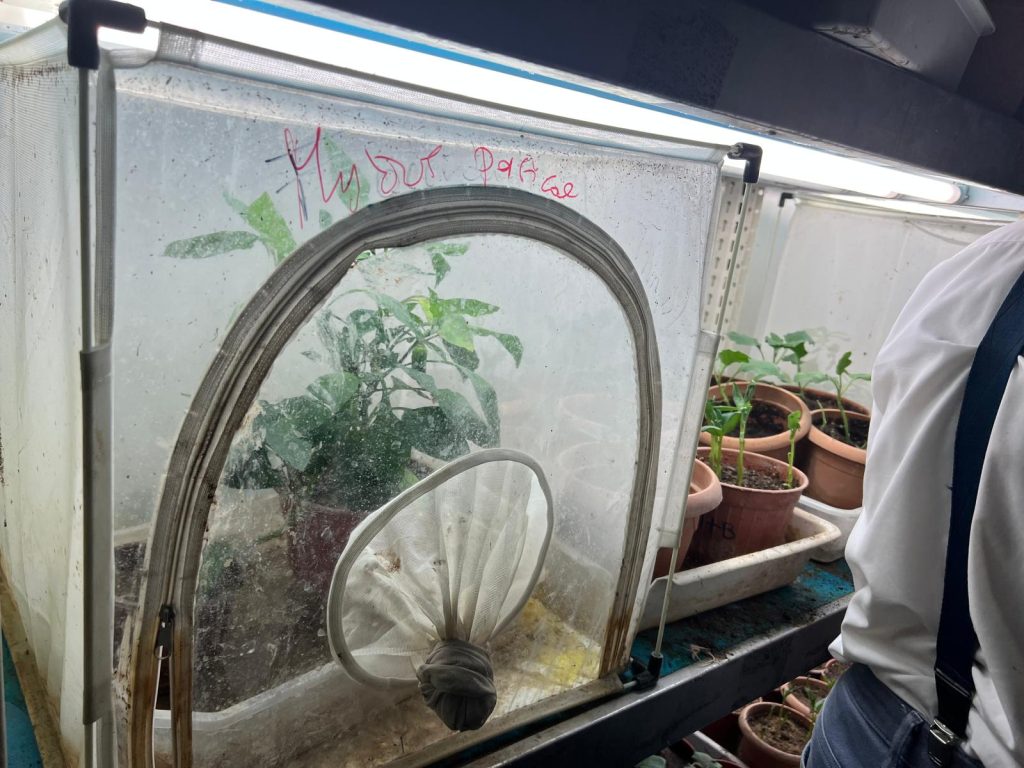
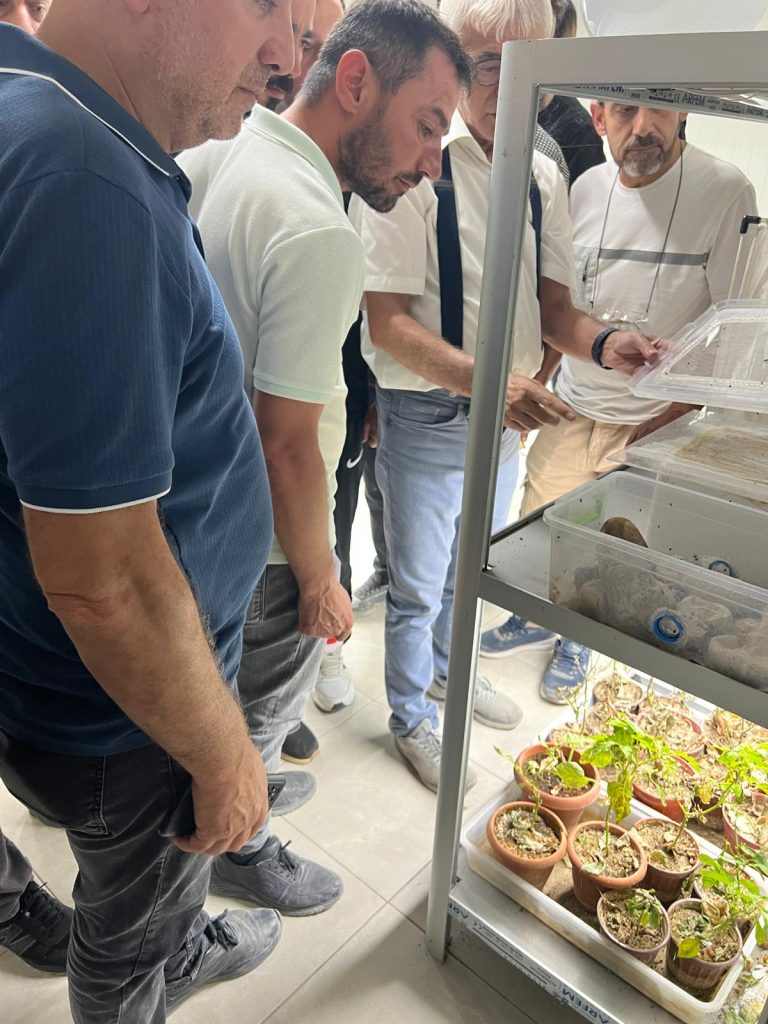
Within the scope of the Living Lab activities, harmful insects found in greenhouses and their natural enemies were reared under laboratory conditions, in order to demonstrate the process to stakeholders and provide them with information on these topics. For this purpose, harmful insects such as the pea aphid (Aphis fabae), peach aphid (Myzus persicae), and cotton mealybug (Phenacoccus solenopsis) were reared. Beneficial insects such as Hippodamia convergens and Adalia bipunctata, which feed on aphids, and Cryptolaemus montrouzieri, the most important predator of mealybugs, were also reared.
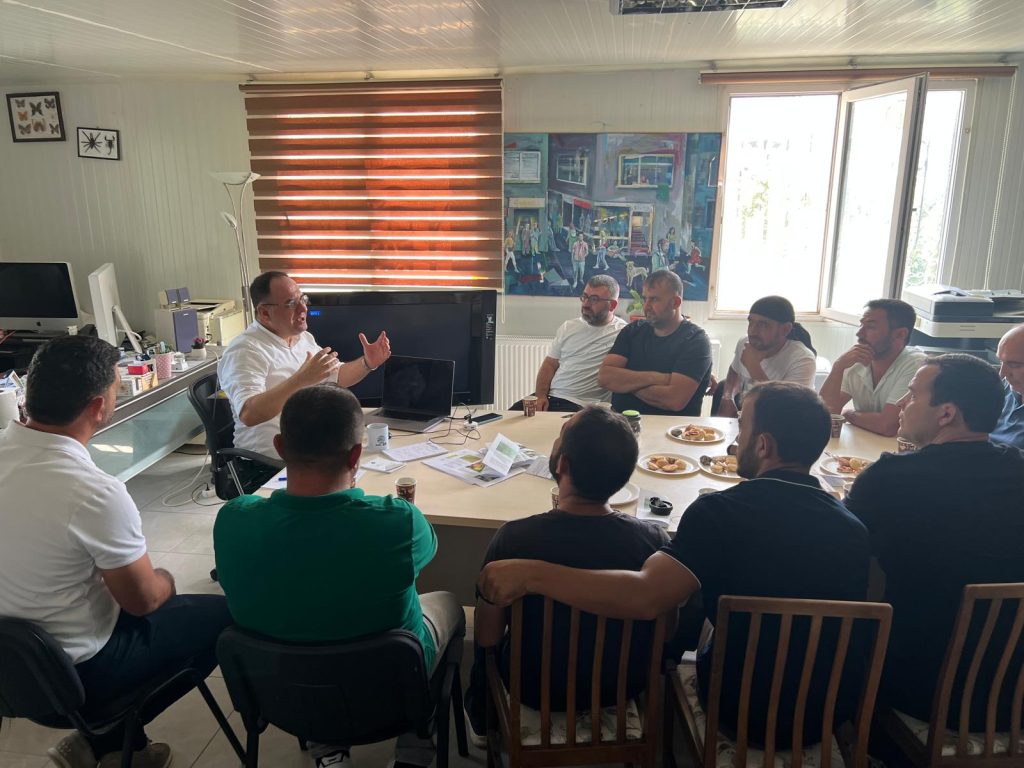
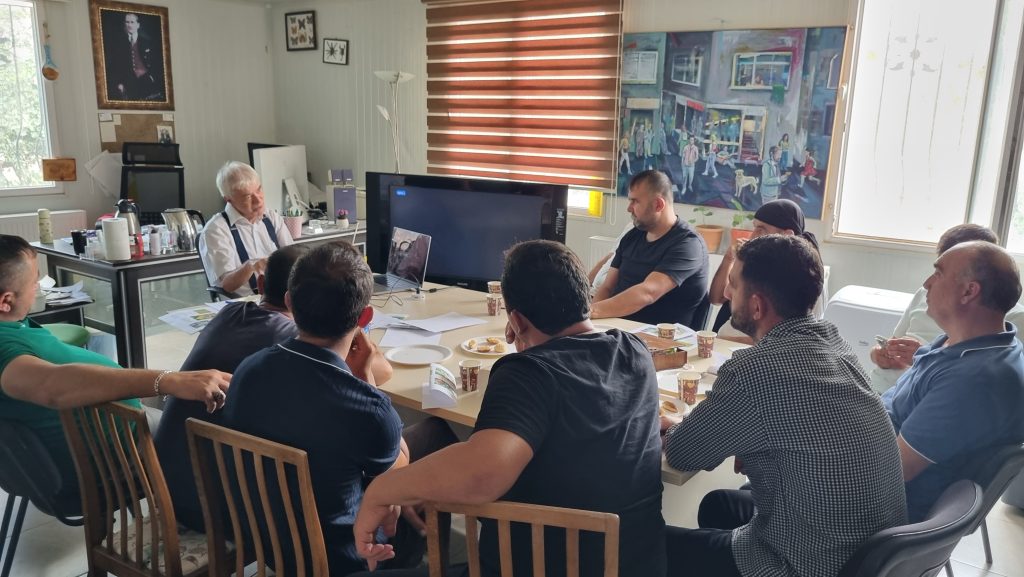
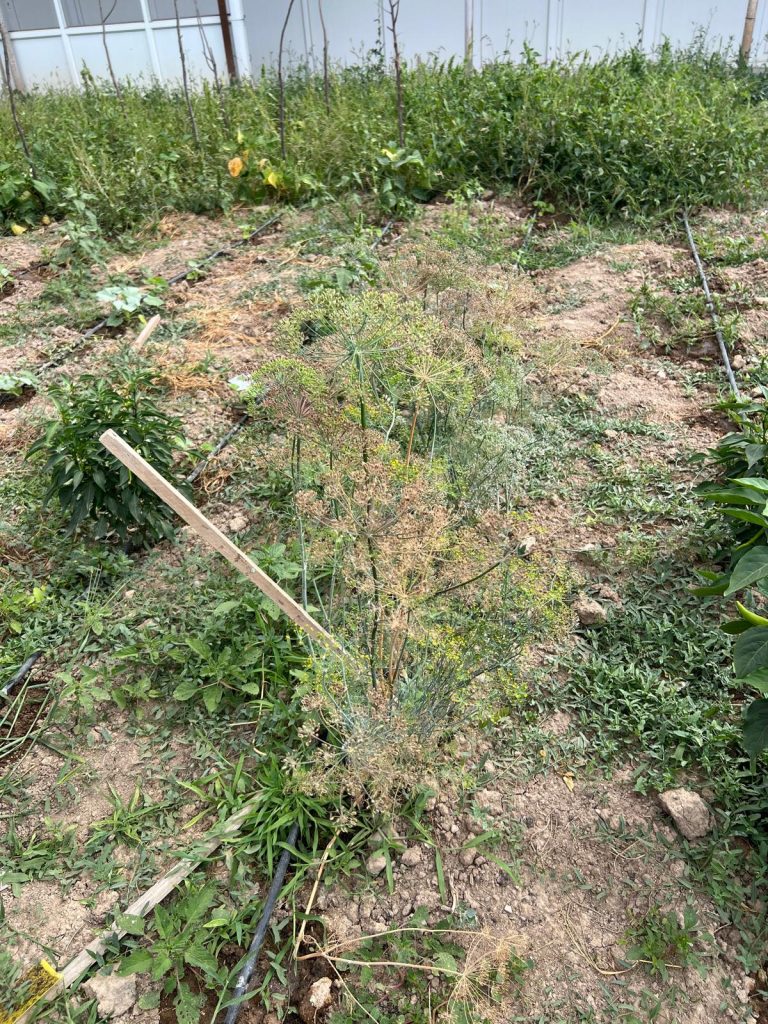
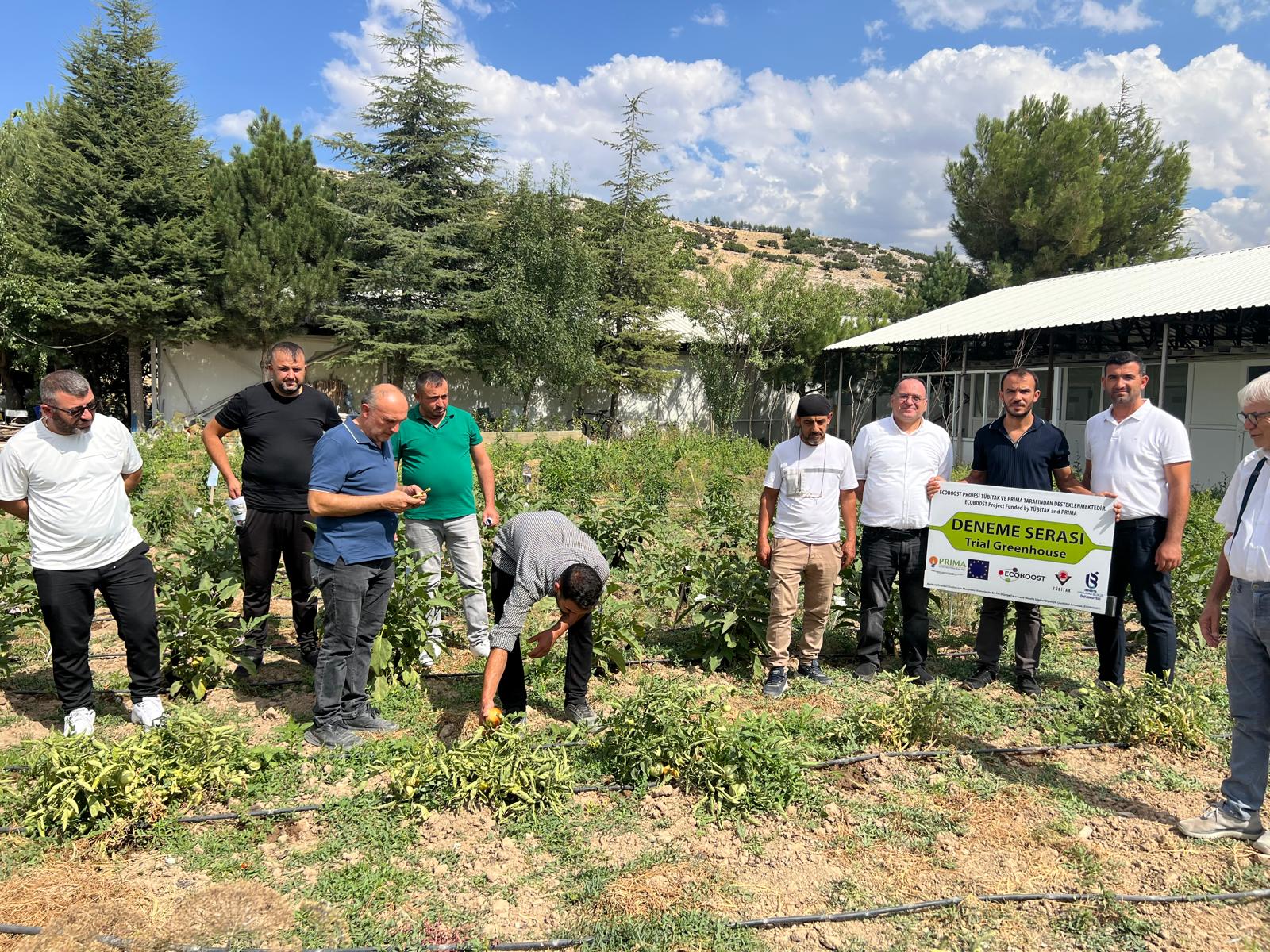
In addition, tomato, pepper, and eggplant production plots were established in the Plant Protection Department's trial area. In each trial plot, strips of dill (Anethum graveolens) were grown as companion plants to attract beneficial insects. In addition, yellow, blue, and yellow sticky traps were placed in these trial areas for each plant species. Greenhouse producers who came to the Plant Protection Department for training were first given theoretical presentations on Biological Control. Then, information was provided by showing harmful and beneficial insects produced in the laboratory. Finally, the developments in the trial plots were conveyed to the growers, the beneficial insects that came to the companion plants were shown, and information was provided about the insects caught in the sticky traps.
Finally, brochures prepared for the growers were distributed.